The phrase “law office” often conjures images of dark wood, intimidating leather chairs, and endless rows of dusty legal tomes. While tradition certainly plays a role, the modern Law Office Set—the physical space where legal work is conducted—must be designed to fulfill specific, high-stakes functions that support efficiency, confidentiality, and client trust.
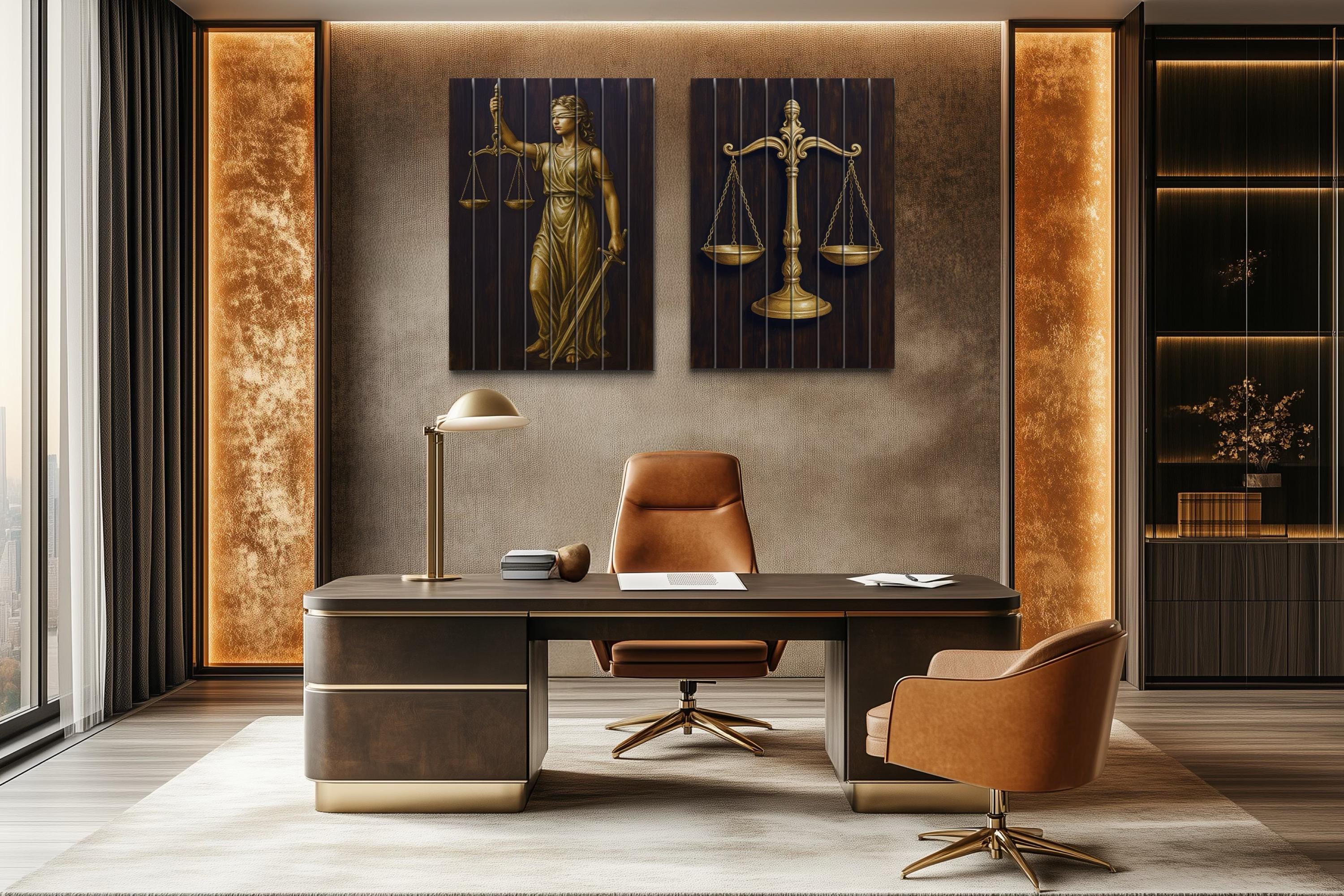
A functional law office is more than aesthetically pleasing; it is a meticulously planned workspace that reinforces the firm’s brand, adheres to professional ethical standards, and optimizes the complex flow of legal information. This article explores the critical components and design considerations necessary for creating an effective and successful law office set.
Component 1: The Client Interface – Building Trust and Confidentiality
The client-facing areas are the firm’s storefront. Their design must immediately convey professionalism, competence, and a reassuring sense of privacy.
The Reception Area
This is the client’s first impression. It must be clean, organized, and quietly professional. Design choices should prioritize comfort and calmness:
- Atmosphere: Use muted, conservative colors (grays, deep blues, neutral tones) and professional, durable furnishings. Avoid anything overly trendy or distracting.
- Seating: Comfortable, professional seating is essential. Ensure ample space so clients do not feel crowded, especially during stressful waiting periods.
- Information Management: The receptionist desk should be positioned to manage foot traffic effectively while maintaining confidentiality. Screens and privacy barriers are necessary to ensure that waiting clients cannot overhear sensitive intake information or phone conversations.
The Conference Room
This space is the nerve center for meetings, negotiations, and client consultations.
- Technology Integration: Must be equipped with modern tools, including large screens for presentation of evidence or documents, video conferencing capabilities, and reliable Wi-Fi. The technology should be seamlessly integrated to avoid fumbling during high-stakes discussions.
- The Table: A sturdy, professional table encourages discussion. Seating arrangements should facilitate both formal negotiations (where sides face each other) and collaborative client strategy sessions.
- Soundproofing: Absolute confidentiality is paramount. Conference rooms must be sufficiently soundproofed to prevent sensitive legal discussions from being overheard in the hallway or adjacent offices, adhering to critical legal ethics rules.
Component 2: The Attorney Workspace – Optimizing Productivity
The individual attorney’s office and support staff areas must be optimized for the demanding nature of legal work—which involves deep concentration, document management, and frequent client communication.
The Attorney’s Private Office
While some firms move toward open-plan concepts, most legal practices require private offices due to the intense need for concentration and confidentiality.
- Dual Functionality: The office must serve two roles: a solo workspace for research and drafting, and a small consultation space for one or two clients. The desk layout should be organized to present a clean, clear work surface to the client while keeping sensitive files out of sight.
- Ergonomics and Efficiency: Lawyers spend long hours seated. High-quality, ergonomic seating and adjustable desks are investments in the lawyer’s long-term health and focus. Lighting should be ample and non-glare, suitable for extensive document review.
- Personalization (Subtle): A few subtle personal items—a diploma, a restrained piece of art, or a family photo—can humanize the space without detracting from its professionalism.
Support Staff and Paralegal Stations
The administrative and paralegal areas are where the bulk of the organizational work occurs.
- Workflow Design: Stations should be logically organized to facilitate the workflow of documents. Often positioned near central resources like mail, printers, and scanners.
- Noise Control: Though collaborative, this area generates noise. Acoustic panels or strategic placement can minimize disruption to the attorneys’ concentrated work.
Component 3: The Infrastructure – Security and Document Flow
The physical infrastructure of a law office set must be engineered to support ethical obligations regarding security and information management.
Document Storage and Digitization
The modern law office operates under a hybrid system, managing both physical files and extensive electronic documents.
- Physical Files: Secure, lockable filing cabinets are essential, particularly for sensitive paper documents that must be kept separate from general office files. These must comply with state bar rules regarding client file retention.
- Server and Data Security: The law office set must allocate a secure, temperature-controlled space for IT servers. This area is the digital heart of the firm and requires robust physical access control to protect client data. From unauthorized access or environmental damage, which is a key component of ethical client representation.
- Printing and Copying: Centralized, high-volume, secure multi-function printers (MFPs) are necessary. These machines must have strong security protocols to prevent sensitive documents from being left unattended or intercepted.
The Law Library (Evolving Space)
While the physical library is shrinking, its function remains vital.
- Transition to Digital: Many firms now dedicate a much smaller space to essential jurisdictional reference books. Dedicating the rest of the area to quiet work pods or additional meeting spaces, recognizing that most research is now conducted through online databases. The space still needs to be calm and quiet, designed for focused research.
Conclusion: Function Dictates Form
The design of a modern Law Office Set is a direct reflection of the legal practice it houses. It must be professional to build client trust, secure to uphold ethical duties of confidentiality, and functional to maximize the efficiency of attorneys and staff. By prioritizing these elements—from soundproofing the conference room to securing the server—the office transforms from a mere collection of rooms into a powerful, silent partner in the pursuit of justice, ensuring the firm is optimally equipped to handle the high demands of the legal profession.